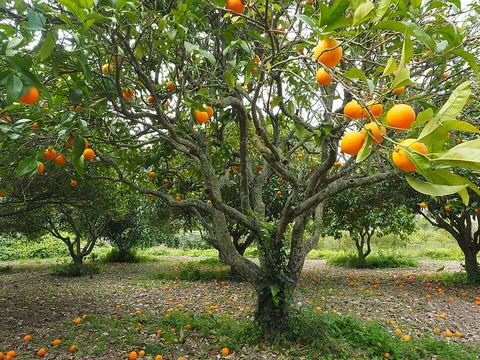
Sugar beet
A temperate-zone root crop grown for sucrose extraction.

Wikimedia Commons · Public domain
The sugar beet is a plant whose root contains a high concentration of sucrose and is grown commercially for sugar production. In plant breeding, it is known as the Altissima cultivar group of the common beet (Beta vulgaris). Together with other beet cultivars, such as beetroot and chard, it belongs to the subspecies Beta vulgaris subsp. vulgaris and is classified as Beta vulgaris var. altissima or the Altissima group. Its closest wild relative is the sea beet (Beta vulgaris subsp. maritima). Sugar beets are grown in climates that are too cold for sugarcane.
- Largest producers (2022/2023)
- Russia and France (with Germany often among the top producers)
Reader's Guide
The sugar beet is significant as a major source of sucrose in temperate regions where sugarcane cannot grow. The plant's root contains about 20% sugar, with modern varieties reaching around 18% sucrose through continued breeding. Byproducts such as pulp and molasses add another 10% to the harvest's value. Cultivation requires specific conditions: a temperature of 15–21°C during growing months, adequate moisture, and deep, well-drained soil. The crop exhausts the soil rapidly, necessitating rotation every third year. The sugar beet remains essential for global sugar production, particularly in Europe, North America, and parts of Asia.
Did You Know?
- The sugar beet's root contains 75% water, about 20% sugar, and 5% pulp.
- The average weight of a sugar beet ranges between 0.5 and 1 kg (1.1 and 2.2 lb).
Botanical Architecture and Sugar Storage
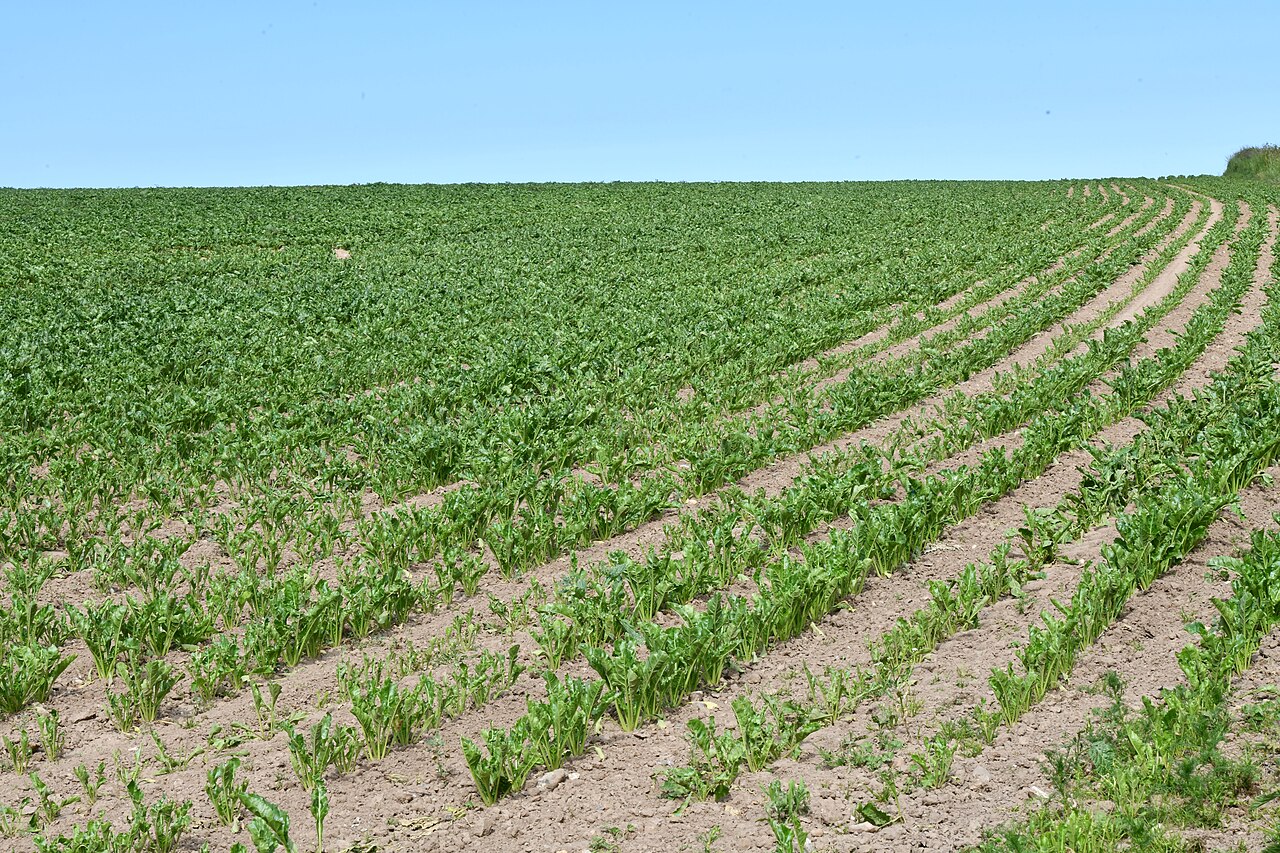
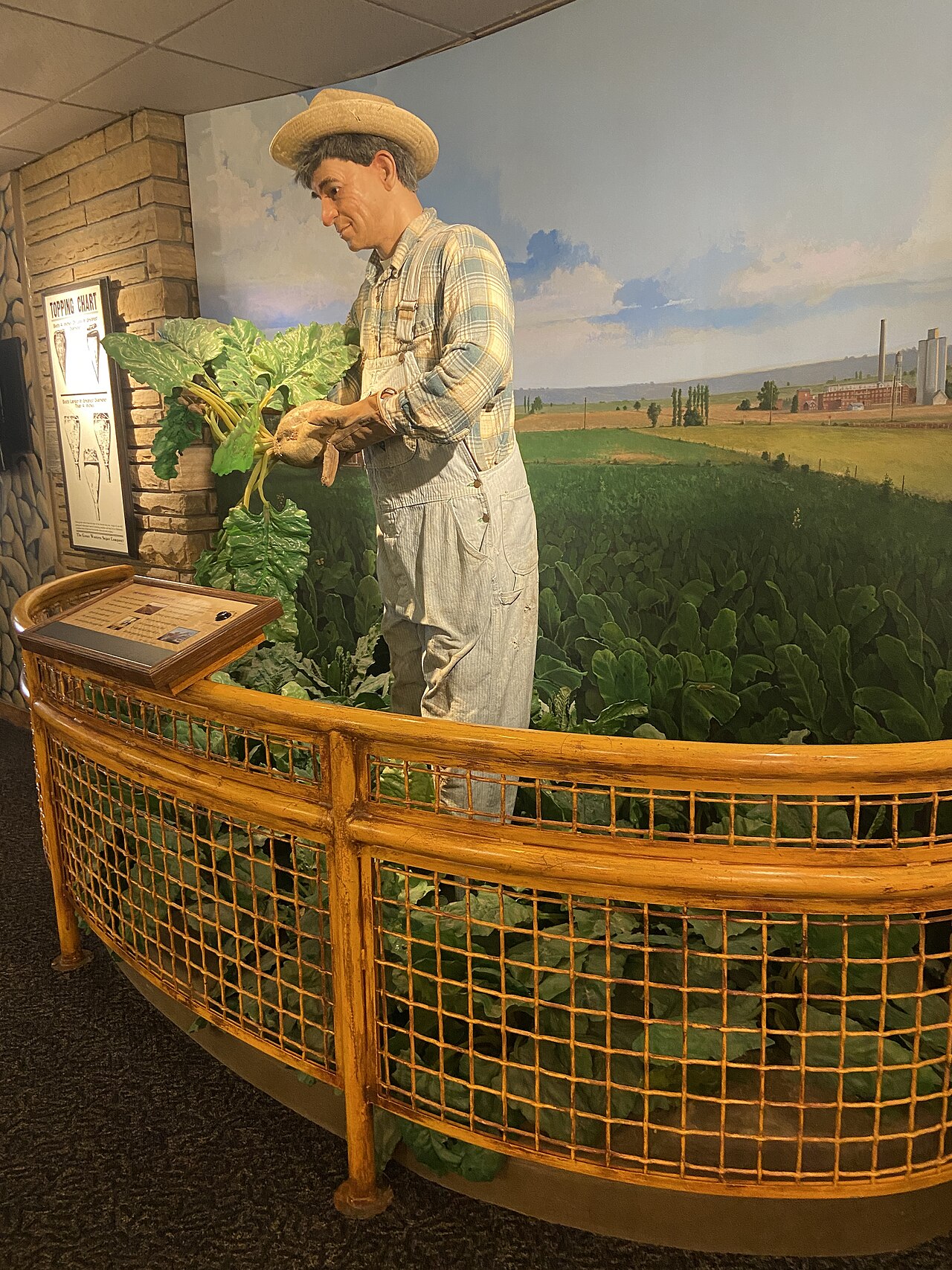
The sugar beet is a member of the common beet species, Beta vulgaris, specifically classified as the Altissima cultivar group and further designated var. saccharifera within the subspecies vulgaris. Its closest wild relative is the sea beet, Beta vulgaris subsp. maritima. The plant's most economically significant feature is its conical, white taproot, which sits beneath a flat crown from which a dense rosette of brilliant green leaves unfurls to roughly thirty-five centimetres in height. Those broad, numerous leaves are where all the sugar-making happens: through photosynthesis, the plant manufactures sucrose and then shuttles it downward into the fleshy root for storage. A mature beet, typically weighing between half a kilogram and a full kilogram, is roughly three-quarters water, about one-fifth sugar, and a small fraction of insoluble pulp. Sugar content fluctuates between twelve and twenty-one percent depending on the cultivar and local conditions. The remaining pulp, built from cellulose, hemicellulose, lignin, and pectin, finds a second life as animal feed, while molasses and other byproducts collectively add roughly ten percent more value to the harvest.
From Royal Patronage to Modern Breeding
The process never gained traction, however, because crystallized cane sugar was already available and tasted superior. True progress arrived in mid-eighteenth-century Silesia, where King Frederick the Great of Prussia subsidized experiments into sugar extraction. He identified the white beet as the most promising source. Nearly four decades later, Marggraf's successor Franz Karl Achard launched a systematic breeding programme in Kaulsdorf near Berlin, testing twenty-three varieties before settling on a local strain from Halberstadt. That single cultivar is the direct ancestor of every modern sugar beet, whose sucrose content has since climbed to roughly eighteen percent through continuous selection.
A Geopolitical Sugar Revolution
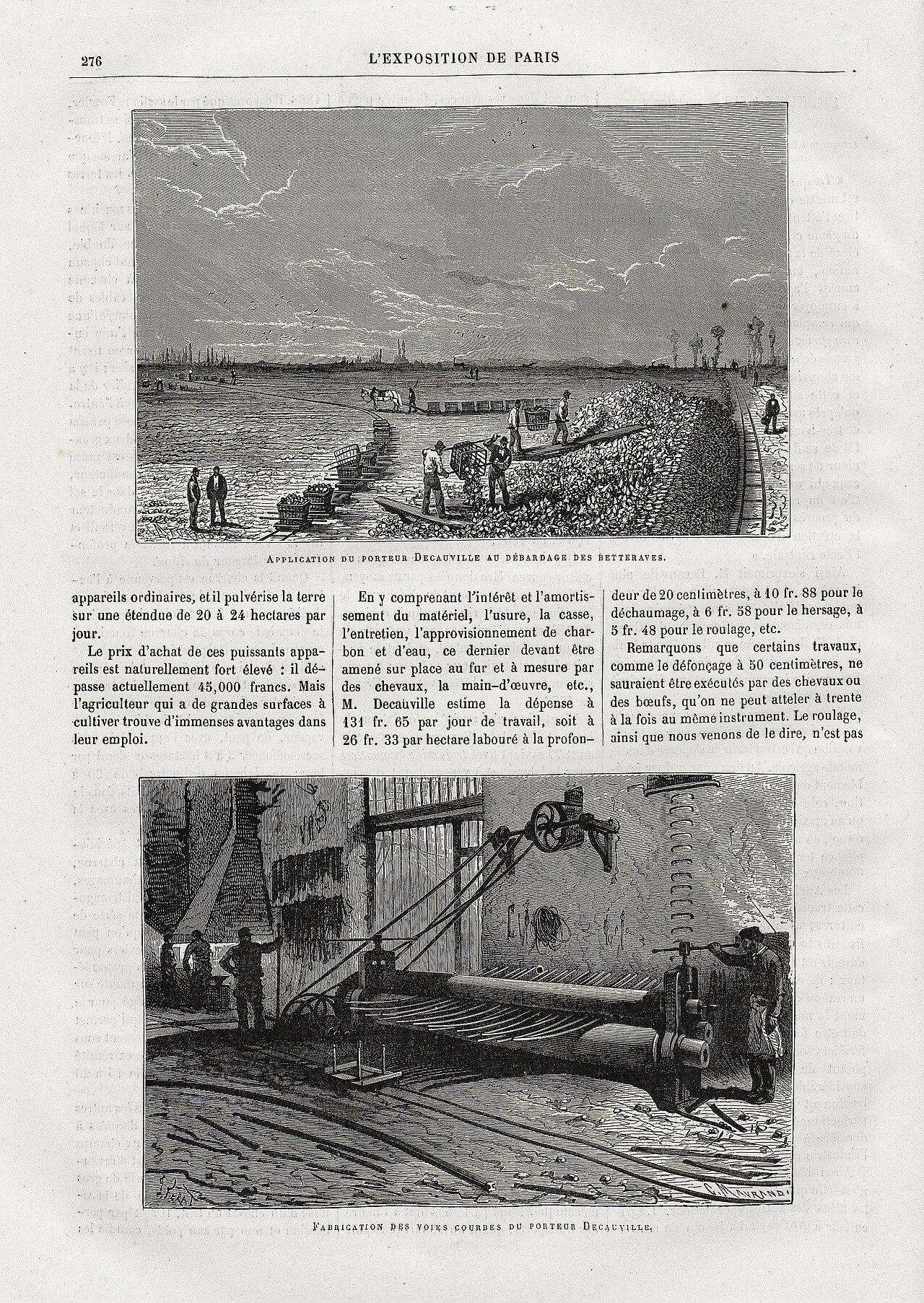
The technology quickly crossed into France, where the industry expanded rapidly under the pressure of Britain's continental blockade during the Napoleonic wars, which made cane sugar imports unreliable. The crop also spread across the Atlantic and the Pacific. Today, sugar beets are the dominant sugar source in climates too cold for sugarcane, which is confined to tropical and subtropical zones.
The Temperate Zone's Sugar Crop
Sugar beets are strictly a temperate-zone crop, thriving where sugarcane cannot survive. Their cultivation demands a soil that is nutrient-rich, humus-laden, and capable of holding substantial moisture. While both sandy soils and heavy loams can yield generous harvests, the ideal is a sandy loam blending organic matter, clay, and sand. The ground should be fairly level and well-drained, and a gravel subsoil or hardpan is undesirable because the roots need to be cultivated to a depth of thirty to thirty-eight centimetres. Temperature is critical: growing months should hover between fifteen and twenty-one degrees Celsius. Without irrigation, roughly four hundred and sixty millimetres of rainfall are needed for an average crop. High winds are a particular threat, crusting the surface and blocking young beets from emerging. Long-duration sunshine of moderate intensity is the single most important climatic factor. In high-elevation regions like Idaho, Colorado, and Utah, warm days followed by cool nights produce exceptional sugar quality, while near the equator, shorter days and intense heat sharply depress sugar content.
Gallery


Frequently Asked Questions
Who is Sugar beet?
Sugar beet is a temperate-zone root crop belonging to the Altissima cultivar group of the common beet (Beta vulgaris). It is grown specifically because its swollen root stores a very high concentration of sucrose, making it a primary commercial sugar source.
What is Sugar beet's role in the sugar world?
Sugar beet fills the critical gap left by sugarcane in regions where temperatures are too cold for cane to survive. Its root is harvested and processed to extract sucrose, supplying sugar to temperate and northern markets.
How is Sugar beet classified taxonomically?
It is designated Beta vulgaris var. altissima (the Altissima group) within the subspecies Beta vulgaris subsp. vulgaris, sharing that rank with relatives like beetroot and chard. Its nearest wild ancestor is the sea beet (Beta vulgaris subsp. maritima).
Why is Sugar beet important to the crop community?
Without sugar beet, much of the world's sugar in cold-climate regions simply would not exist, since sugarcane cannot tolerate those temperatures. It is, in essence, the backbone of temperate-zone sugar production and a key player in global food supply.
More in Plants & Crops 1-17
Spotted an error? Know more?
This is a living reference — every entry is fact-audited, and reader corrections feed straight into our audit queue. Suggest an edit · See this site's audit record