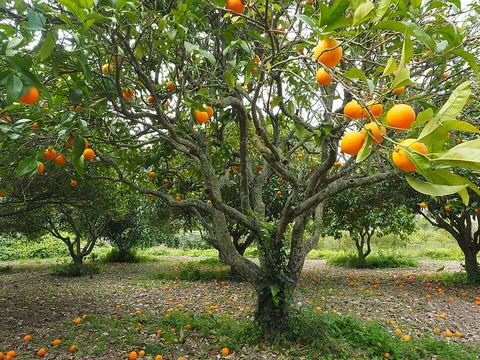
Tropaeolum
A genus of flowering plants with edible flowers and tubers.

Juan Carlos Fonseca Mata · CC BY-SA 4.0
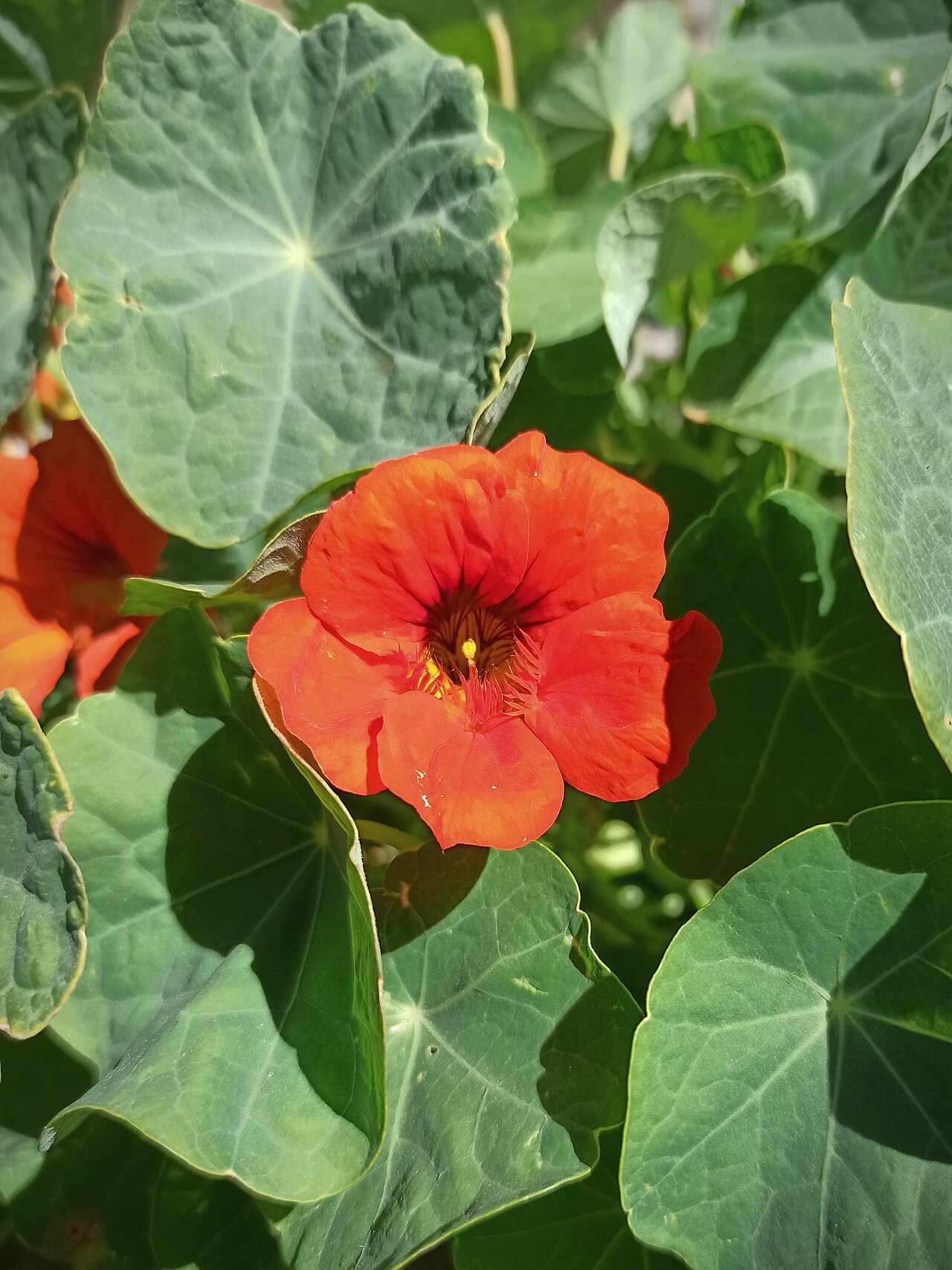
Tropaeolum, commonly known as nasturtium, is a genus of roughly 80 species of annual and perennial herbaceous flowering plants native to South and Central America. Named by Carl Linnaeus in his book Species Plantarum, it is the only genus in the family Tropaeolaceae. The plants are known for their showy, often intensely bright flowers and rounded, peltate leaves, and they received their common name because they produce an oil similar to that of watercress (Nasturtium officinale).
- field
- Botany
- native_region
- South and Central America
- number_of_species
- roughly 80
- family
- Tropaeolaceae
- named_by
- Carl Linnaeus
- common_name_origin
- oil similar to watercress
Lore & Background
The genus Tropaeolum was named by Carl Linnaeus in his book Species Plantarum. He chose the name because T. majus reminded him of an ancient Roman custom: after victory in battle, the Romans erected a trophy pole (tropaeum) on which the vanquished foe's armor and weapons were hung. Linnaeus saw the plant's round leaves as shields and its flowers as blood-stained helmets. The genus was previously placed in the family Tropaeolaceae along with two other genera, Magallana and Trophaeastrum, but a molecular study in 2000 found Tropaeolum to be paraphyletic when those genera were segregated, so they were reduced to synonyms, making Tropaeolaceae monogeneric. Several species are popular garden plants, including T. majus, T. peregrinum, and T. speciosum. One of the hardiest species is T. polyphyllum from Chile, whose perennial roots can survive winter underground at elevations of 3,300 meters. The most common cultivated flower is a hybrid of T. majus, T. minus, and T. peltophorum, grown as a half-hardy annual in various colors. Some species, like T. tuberosum (mashua), produce edible underground tubers that are a major food source in parts of the Andes.
Reader's Guide
Tropaeolum holds significance as a genus of ornamental and edible plants with a long history of cultivation. Its common name, nasturtium, derives from the oil it produces, similar to watercress, and all parts of T. majus are edible, with flowers used in salads and unripe seed pods as a caper substitute. The genus includes species adapted to diverse climates, from the hardy T. polyphyllum surviving at high Andean elevations to the tender T. azureum from Chile. In herbal medicine, T. majus has been used for respiratory and urinary tract infections, and in Germany, a licensed herbal antibiotic made from nasturtium and horseradish root is prescribed. The plants also serve in biological pest control as companion plants, repelling pests and attracting predatory insects. The taxonomy of Tropaeolum was clarified by a 2000 molecular study that merged two related genera into Tropaeolum, establishing it as the sole genus in its family. Its legacy includes numerous cultivars with Royal Horticultural Society awards, and its tuberous species like mashua have been cultivated since ancient times in the Andes.
Did You Know?
- The name Tropaeolum was chosen by Linnaeus because the plant's round leaves reminded him of shields and its flowers of blood-stained helmets, referencing Roman victory trophies.
- The most common cultivated nasturtium is a hybrid of T. majus, T. minus, and T. peltophorum.
- T. polyphyllum can survive winter underground at elevations of 3,300 meters in the Andes.
Gallery




Frequently Asked Questions
What is Tropaeolum?
Tropaeolum is a genus of herbaceous flowering plants, commonly called nasturtium, that includes both annual and perennial species. It is widely recognized for its vivid, showy blooms and distinctive rounded, peltate leaves.
Where is Tropaeolum native to?
The genus is indigenous to South and Central America, where its roughly 80 species grow as wild herbaceous plants in various habitats.
Why is Tropaeolum commonly called 'nasturtium'?
The common name derives from the fact that these plants produce an oil whose flavor closely resembles that of watercress (Nasturtium officinale).
What family does Tropaeolum belong to, and who named it?
Tropaeolum is the only genus in the family Tropaeolaceae, making it the sole member of that entire family. Carl Linnaeus originally described and named the genus in his work Species Plantarum.
Are Tropaeolum plants edible?
Yes, many species in this genus have edible flowers and tubers that are used in cooking. The plants are valued both as ornamentals and as a culinary ingredient.
More in Plants & Crops 1-17
Spotted an error? Know more?
This is a living reference — every entry is fact-audited, and reader corrections feed straight into our audit queue. Suggest an edit · See this site's audit record